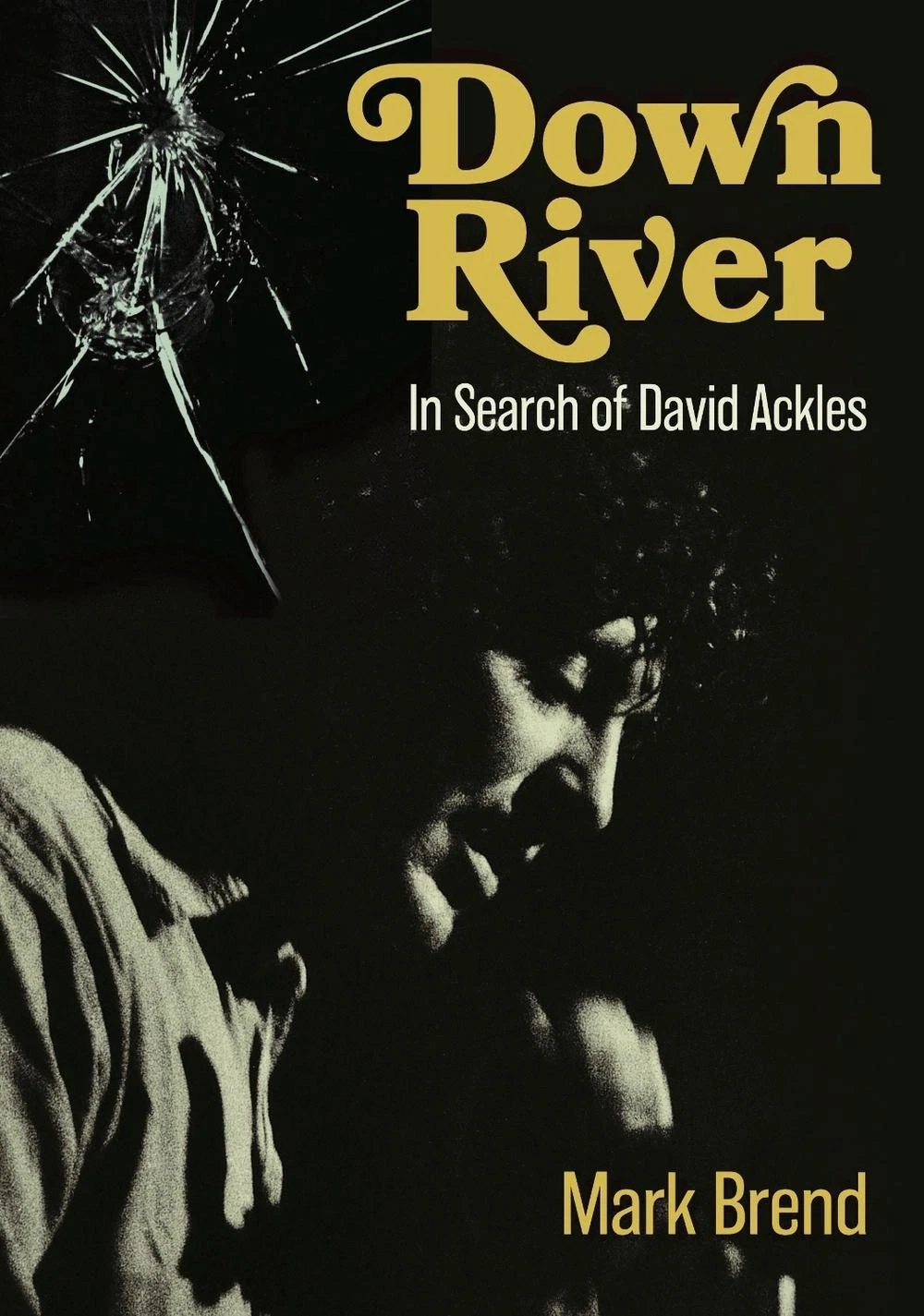
Here’s a book that works on two main levels. For those familiar with his work, it draws together the story of both his life and work, whereas for anyone for whom he is a new name, it is a fascinating introduction to a true cult musician, and one that will take readers on a voyage of discovery, as interest piqued by the read, will inevitable divert off to seek out his music, to add sonic context to the written words and help gain some understanding as to why he was held in such high esteem by the likes of Elvis Costello, Elton John and Phil Collins – all of whom not too shabby in the songwriting department themselves. Truly a lost artist and viewed as a genius by some weighty supporters, author Mark Brend – unsurprisingly an Ackles devotee, draws on archive material – much of it from the UK – material from family, friends and admirers, as well as the subject himself to take us through a life of accident and incident, of promise and what could be considered failure, though having left a legacy that can still be heard today in both his own words and music and those that have chosen to either share or celebrate it in their own manner.
What emerges is a well-researched and well told tale of a man, steeped in words and music from an early age, performing with his family in both theatrical and religious settings, as a child actor and a later academic, who fell into the role of singer songwriter by quirk of fate, rather than a driving desire for stardom or success.
Originally picked up in the late 60s as a staff songwriter by Elektra Records, with his songs deemed unsuitable for members of the then roster, he released the first of three albums for the company in 1968, to critical acclaim, but disappointing sales, a pattern that was to be repeated for both his second and third albums. In particular, the latter was intended to be his magnum opus, taken from his Los Angeles base to the UK, backed with both the London Symphony Orchestra and The Salvation Army Choir and produced by lyricist Bernie Taupin – having become acquainted during a support slot for Elton’s American launch at the legendary LA Troubadour club. ‘American Gothic’ was hailed by some as folk music’s own ‘Sergeant Pepper’ or ‘Pet Sounds’ yet despite further critical acclaim and a significant promotional push, his individual mix of lyricism and theatricality – taking in the likes of Brecht and Berlin, as well as more geographical and temporal contemporaries such as Tim Hardin, as well as Scott Walker and Van Dyke Parks.
After the commercial disappointment of his big budget production, the inevitable happened and he parted from his record company and despite being picked up by another major player in Columbia, his next attempt was a lo-fi, home recorded album released just after his label champion left the label – receiving little attention from either the industry or the public.
Brend takes us through the later years, where Ackles had returned to academia as well as theatrical production and writing, including the results of a severe car crash, resulting in injuries that curtailed his piano playing – always his main instrumental outlet, and his death from lung cancer at the young age of 62.
Discussions with friends have already led to several undergoing an Ackles deep dive, and so the recommendation is there – either investigate the music, then seek out the book to learn more, or do it the other way round, but either way, an absorbing read and with the nights drawing in, a good use of your time.
Down River is published by Jaw Bone books and is readily available from online book sellers but first try your local independent book store!
Damian Liptrot.
www.jawbonepress.com